Palma stanga iti dezvaluie viitorul, iar cea dreapta, trecutul: Iata interpretarea liniilor din palma!
Un articol de Maya
Sursa: secretele.com
Un articol de Maya
Sursa: secretele.com
Un articol de Calin Petru Barbulescu
O intrebare am pentru tine – Tu te-ai ascultat vreodata in ceea ce priveste afirmatiile pe care le-ai facut despre viitorul la care aspiri? In discutiile pe care le-ai purtat cu prietenii sau cu apropiatii tai, esti siguri de ceea ce spui ca iti doresti sa faci? In cazul in care nu esti asa sigur pe tine, te invit sa iti faci un test prin care iti vei descoperii cu adevarat ceea ce iti doresti de la viata.
Priveste imaginea de mai jos si alege-ti unul dintre peisajele care te incanta cel CITESTE IN CONTINUARE
Sursa: secretele.com
Un articol de Cristian Iacov
Aceasta manevra presupune compresia diafragmei prin smucirea cu putere a victimei.
Pentru a salva viata unei persoane in astfel de cazuri, trebuie sa intervii imediat. Pozitioneaza-te in spatele victimei si infasoara-ti bratele in jurul taliei acesteia, imediat sub coaste. Asaza una dintre palme in jurul taliei victimei si CITESTE IN CONTINUARE
Sursa: secretele.com
It’s all about career and success these days. No matter what we achieve, it’s never enough, we always strive for more. It’s all good as long as we don’t forget ourselves and our loved ones. Sadly, that’s rarely the case.
That’s why we wanted to share these life tips by Daily Health Gen with you. Hopefully, they will be a source of inspiration for some positive changes, even if the smallest ones. We all need a little push from time to time.
Leave a comment or vote for your favorite tips, we want to know what you think!
More info: Daily Health Gen (H/T: Bored Panda)

Sursa: diply.com

(Note: This is a temporary tattoo, but, I mean, that placement. That. Placement.)
Sursa: diply.com
Start ‘em young. If you want to raise a self-reliant kid, get these tools into their hands.
Age 7
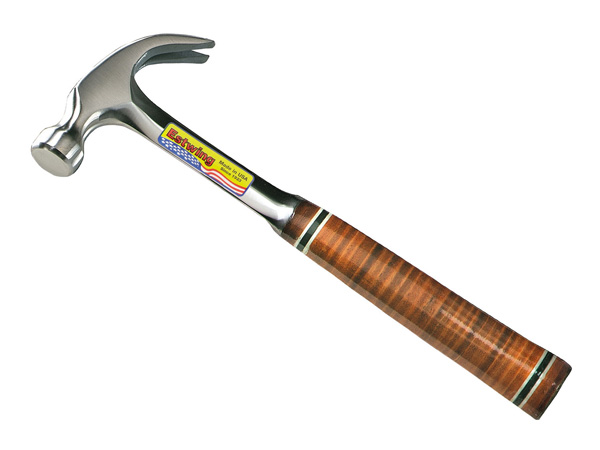
Any rambunctious kid should be comfortable swinging a hammer. Just be sure it’s something light enough to handle correctly but sufficiently heavy to be effective. „No matter what the tool is, it has to fit,” Dahl says. „And that goes for anyone, whether male or female, young or old.” A claw hammer is essential for pulling the inevitable bent nails—and if your kid still struggles, predrill a few holes so he or she can figure out the correct technique.
Age 8
As soon as children master scissors, they’re ready for pliers, which have similar mechanics but are far more versatile. They’ll be happier using smaller, 6-inch models with comfy rubberized handles. Set them loose on a spool of 12-gauge insulated copper wire, and once they get the hang of using the tool with one hand, they’ll be bending, cutting, crimping, tightening, stripping, and twisting that wire into a variety of shapes while their classmates are still perfecting basic scrapbook skills.
Age 9
A sharp knife and a fallen branch are all your kid needs to begin a lifetime of shaping wood. For now, stress the importance of cutting away from
the body while keeping the other hand safely behind the blade. With more experience, your child can experiment with pare (pull) cuts. Either way, he or she should be able to hold both the knife and the workpiece securely. A utility knife with a retractable blade has a large handle for a tight grip; it’ll also give a universal lesson in changing blades when the tool becomes dull.
Age 10
Avoiding workshop meltdowns means teaching children proper techniques
early on. The handsaw, for example, can discourage any budding woodworker if taught incorrectly. „The key is always minimizing frustration,” says Paul Steiner, who teaches construction at Woodbridge Senior High School in Virginia. „Set them up so they’re comfortable getting their body over the board.” Build a sawhorse that fits them—perhaps only 12 to 16 inches tall—and give them a razor-sharp 15-inch crosscut saw.
Age 11
Climbing trees is for kids; tweens get there faster with a ladder. As with all tools, correct setup is critical for safe use. Have them place the ladder on a firm, level surface away from doors and windows. Ensure it extends at least 3 feet past the supporting branch and that it’s leaning at the correct angle. They can check this by standing at the base of the ladder and putting their arms straight out in front; their palms should touch the rung that’s at shoulder height.
Age 12
When you were 12, you built an AM radio inside a Tic Tac box. Your kid, however, lives in a world of Arduino-type microcontrollers that can operate robots. Don’t be intimidated, though. The essentials of electronics and the tools used to work with them haven’t changed much. So grab your trusty old pencil-tipped iron and a spool of rosin-core solder, go over a few basic skills—tinning stranded wire is a good start—and beam as your kid’s chess-playing robot dominates the next science fair.
Age 14
No cutting tool is more versatile than a jigsaw. It produces curvy shapes in wood, plastics, and thin metals, making it ideal for kid-friendly projects such as, well, jigsaw puzzles. It also provides a valuable lesson in recognizing a power tool’s limits. As your child turns the jigsaw into a curve, he or she will feel the tension in the blade as it binds against the material. Too much and the blade will break.
Age 13
Your child’s first power tool is one of the safest and most versatile. „Kids need it no matter what they’re building, whether a birdhouse or a Pinewood Derby car,” Steiner says. To start, skip the drill bits—they’ll just get broken. Instead, clip the head off a finish nail and chuck it up; it takes more abuse, and it’s easier to replace. „A four-penny nail works as a 1/16-inch bit,” Steiner says. „You can work all the way up to a 16-penny nail, which is about a 1/8-inch.”
Age 15
Are your children ready for a grown-up tool? That’s for you to decide. „Some kids are more comfortable with tools at age 7 than others are at 15,” Dahl says. „Be honest about their skill level; don’t force a tool on them that they’re not ready for.” Be honest about your own skill level too—and don’t let your ego stop you from asking an experienced friend or family member for a quick class.
Age 16
Young woodcutters need at least a year’s apprenticeship to learn the safe handling of a chain saw. „It’s not where the saw starts that counts; it’s where it finishes the cut,” PM senior home editor Roy Berendsohn says. Even if you’re an experienced woodsman, consider taking a refresher class with an arborist so you don’t pass on bad habits to your kids. These often include skimping on safety gear such as chaps, boots, gloves, safety glasses, and hearing protection.
Sursa: popularmechanics.com
Every child just love to play with Lego. This toy helps in building their imagination, creativity, and logical thinking. It’s fun not only for children, rather adults enjoy too playing Lego among with their kids. Exploring the best use of this toy, school teacher Alycia Zimmerman has come up with the great idea to teach children the basic math skills with Lego. Not only will it be fun for them in classroom or at home, rather it will be a source of logical learning too. Here are few seriously effective examples that teacher Alycia uses to teach her pupils.


via scholastic

De patru ani, de cand nu se mai emit carnete de munca, salariatii au la indemana un singur document care sa ateste cat au lucrat: adeverinta de vechime in munca. Actul poate fi solicitat angajatorilor sau, daca acestia nu pot ori nu vor sa il elibereze, direct inspectoratelor teritoriale de munca.
Cartile de munca nu se mai intocmesc si completeaza incepand din 1 ianuarie 2011, data de la care evidenta muncii se realizeaza doar electronic, prin intermediul registrului general de evidenta a salariatilor (ReviSal), reglementat prin Hotararea de Guvern nr. 500/2011. Conform acestui act normativ, fiecare angajator are obligatia de a infiinta si transmite la inspectoratul teritorial de munca un registru general de evidenta a salariatilor si de a-l prezenta inspectorilor de munca, la solicitarea acestora.
Disparitia carnetelor de munca a facut ca dovada vechimii in munca sa se poata face numai cu ajutorul unor adeverinte care sa precizeze perioadele lucrate de salariatii angajati cu contract de munca.
Cum obtii o adeverinta de vechime?
Potrivit HG. 500/2011, pentru a intra in posesia adeverintei de vechime, salariatii sau fostii salariati trebuie sa il solicite in scris de la angajator. Acesta este obligat sa elibereze documentul, dupa cum prevede art. 5 din actul normative mentionat anterior:
“La solicitarea salariatului sau a unui fost salariat, angajatorul este obligat sa elibereze un document care sa ateste activitatea desfasurata de acesta, durata activitatii, salariul, vechimea in munca, in meserie si in specialitate.”
– art. 5, HG nr. 500/2011
Aceasta obligatie a angajatorului este prevazuta si de Codul muncii, la art. 34: „La solicitarea salariatului sau a unui fost salariat, angajatorul este obligat sa elibereze un document care sa ateste activitatea desfasurata de acesta, durata activitatii, salariul, vechimea in munca, in meserie si in specialitate”.
Adeverinta se elibereaza in original sau in copie certificata, in maxim 15 zile de cand a fost solicitata.
Cum trebuie sa arate adeverinta de vechime?
Adeverinta de vechime in munca nu are un format standardizat, impus de legislatie, astfel ca fiecare angajator poate alege forma in care se prezinta documentul. Totusi, pentru a fi completa si pentru a oferi toate informatiile importanta, adeverinta ar trebui sa contina cel putin precizari referitoare la:
Un model al adeverintei de vechime in munca este disponibil in fisierul atasat acestui articol (documentul este prelucrat de pe site-ul ANOFM Dolj).
Ce se intampla daca angajatorul nu vrea sau nu poate sa-ti elibereze adeverinta?
In situatia in care angajatorul nu vrea sau nu poate elibera adeverinta de vechime din motive obiective (pierderea arhivei, incetarea activitatii etc) salariatii au posibilitatea sa solicite documentul direct la Inspectoratul Teritoril de Munca din raza caruia angajatorul isi desfasoara activitatea.
Potrivit HG nr. 500/2011, institutia este obligata sa elibereze o adeverinta din care sa rezulte elementele continute in registru, astfel cum a fost intocmit si transmis de catre angajator, in maxim 15 zile de cand angajatul a facut solicitarea.
„Inspectoratul teritorial de munca in cauza elibereaza documentul, in baza registrului electronic transmis de angajator, in termen de cel mult 15 zile de la data solicitarii”, se precizeaza in HG nr. 500/2011.
Serviciul nu este, insa, gratuit, eliberarea adeverintei fiind taxata cu 20 de lei/document, potrivit Ordinul Ministerului Muncii nr. 826/2014, actul normativ care reglementeaza tarifele si taxele percepute de ITM.
Trebuie sa stiti ca, in cazul in care angajatorul refuza, neavand motive obiective, sa elibereze adeverintele de vechime si orice alte documente calitatea de salariat a solicitantului, el poate fi amendat cu o minim 300 de lei, amenda care poate ajunge si la 1.000 de lei.
Tot ce trebuie sa faceti este sa sesizati ITM, singura institutie abilitata sa constate aceasta contraventie si sa aplice amenzile corespunzatoare.
La stat, adeverintele de vechime au format standard
Si functionarii publici isi dovedesc vechimea in munca si in specialitate tot cu ajutorul unei adeverinte , actul fiind deosebit de important in activitatea lor, in conditiile in care el este solicitat la orice concurs de ocupare a unor functii publice..
Spre deosebire de mediul privat, unde formatul documentului este lasat la latitudinea angajatorului, la functionarii publici adeverinta este standardizata, modelul ei fiind reglementat prin Ordinul Agentiei Nationale a Functionarilor Publici nr. 192/2013, in vigoare din 22 ianuarie 2013.
Documentul atesta vechimea in munca si in specialitatea studiilor dobandite dupa data de 1 ianuarie 2011, dovada vechimii dobandite pana la 31 decembrie 2010 facandu-se, la fel ca in cazul angajatilor din sectorul privat, tot cu carnetul de munca.